
A Complete Guide to Shenzhen Ports' Operating Hours and Chartered Car Services 2026 Latest
Summary of Shenzhen Port Operating Hours
As a key hub connecting Hong Kong and the mainland, Shenzhen has multiple entry-exit ports, each with different opening hours. For travelers planning to commute between Shenzhen and Hong Kong, knowing the operating hours of each port in advance is the first step in trip planning. Below is a summary of the operating hours and basic features of Shenzhen's major land ports, based on the latest information released by the Shenzhen Port Office.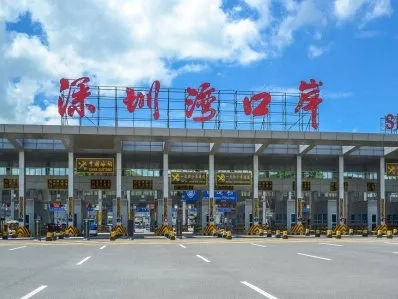
1. Huanggang Port: 24-Hour Clearance
Huanggang Port is the only land port among all Shenzhen ports that operates 24 hours a day. According to the latest clearance arrangements for 2026, Huanggang Port remains open year-round, including holidays, making it suitable for travelers taking overnight buses, early morning flights, or those looking to avoid peak hours. However, due to its 24-hour operation, passenger flow at Huanggang Port is relatively low during late-night hours, though basic clearance services remain fully operational, so travelers need not worry about being unable to complete procedures.
In terms of transportation, Huanggang Port is connected to Metro Line 7 at Huanggang Port Station. Travelers can reach the metro station by walking through the joint inspection building and crossing the pedestrian bridge, making commuting to and from the city center very convenient. The bus stop is located about 200 meters west of the bridge, while the taxi stand is 30 meters north of the bridge. Parking areas for picking up and dropping off passengers are clearly designated. According to the passenger flow forecast for the May Day holiday, the peak entry hours at Huanggang Port are usually between 8:30 and 12:00 daily, as well as from 22:30 to 2:00 the next day, while the peak exit hours are concentrated during the late-night period on the last day of the holiday. Travelers planning to travel can avoid peak times in advance.
2. Shenzhen Bay Port and Luohu Port: 6:30 to 24:00 Clearance
Shenzhen Bay Port and Luohu Port both open at 6:30 and close at 24:00 daily, making them the two ports with the highest passenger flow between Shenzhen and Hong Kong. Among them, Luohu Port is adjacent to Shenzhen Railway Station and has long been a traditional hub for mainland travelers heading to Hong Kong. Luohu Port is connected to Metro Line 1. Travelers can walk from the joint inspection building to the basement level of Shenzhen Railway Station to take the metro. The bus terminals are located at the east and west squares of the railway station, and the taxi stand is behind Exit B of Metro Line 1 in the basement, with clear directional signage.
Shenzhen Bay Port, on the other hand, is an important port on the western corridor between Shenzhen and Hong Kong, connecting to areas such as Tuen Mun and Yuen Long in Hong Kong. It is also the port with the highest concentration of cross-border buses. Shenzhen Bay Port opens for clearance at 6:30 and operates for up to 17.5 hours, meeting the travel needs of the vast majority of passengers. The average daily passenger flow during the May Day holiday is forecast to reach 180,000, with peak entry hours concentrated between 8:00 and 13:00, and peak exit hours between 15:00 and 21:00 at the end of the holiday.
3. Futian Port: 6:30 to 22:30 Clearance
Futian Port is located in Shenzhen's Futian District and connects to the Lok Ma Chau Spur Line Port in Hong Kong. It is one of the most commonly used ports for commuters between Shenzhen and Hong Kong, with opening hours from 6:30 to 22:30 daily, closing one and a half hours earlier than Shenzhen Bay Port and Luohu Port. Futian Port has a significant transportation advantage, as the first floor of the joint inspection building is directly connected to Metro Lines 4 and 10. Travelers can transfer to the metro without walking long distances after exiting customs, making it the most convenient option for those heading to the Futian central area. The bus terminal is located 50 meters to the left of the joint inspection building exit, and the taxi stand can be reached by crossing two crosswalks west from Gate 1, ensuring a smooth overall transfer experience.
As the second busiest port in Shenzhen, Futian Port is expected to handle an average daily passenger flow of 210,000 during the 2026 May Day holiday. Peak entry hours occur between 8:00 and 12:00, as well as 15:00 and 21:00 daily, while peak exit hours are concentrated between 9:00 and 11:00 and 18:00 and 22:00. A final wave of exit peaks often occurs near closing time. Travelers are advised to complete clearance procedures at least 30 minutes in advance to avoid missing the operating hours.
4. Wenjindu Port and Liantang Port: 7:00 to 22:00 Clearance
Wenjindu Port and Liantang Port have the same opening hours, opening at 7:00 and closing at 22:00 daily. Both ports also handle passenger and cargo transportation between Shenzhen and Hong Kong. Wenjindu is a traditional dual-use port for passengers and cargo, while Liantang is a newly opened smart port in recent years, offering higher clearance efficiency. Wenjindu Port is not far from the center of Luohu District. After exiting the station, a five-minute walk leads to Exit B of Wenjin Station on Metro Line 9. The bus stop is located beside Yanhe South Road, and the temporary taxi stop is at the northwest corner of the intersection of Yanhe South Road and Dongmen South Road, offering good overall transportation convenience.
Liantang Port is the newest land port in Shenzhen, positioned as a passenger and cargo hub for the eastern part of Shenzhen and Hong Kong. It features modern clearance facilities, relatively lower passenger flow pressure, and typically shorter waiting times for clearance compared to core ports. Liantang Port is connected to Metro Line 2. Travelers can follow the signage to reach the metro station. The bus stop is located at the bus exit on the basement level, and the taxi stand is also on the basement level with a dedicated, well-organized area.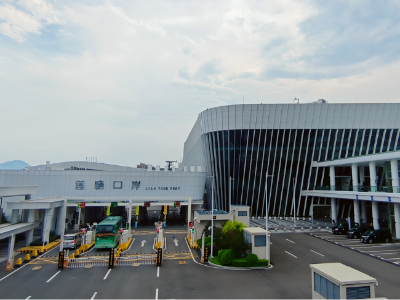
5. Supplementary Information on Other Port Operating Hours
In addition to the major land ports mentioned above, the Guangzhou-Shenzhen-Hong Kong High-Speed Rail West Kowloon Station Port operates from 6:30 to 23:30, the Shekou Cruise Home Port operates from 7:00 to 22:30, and Shenzhen Airport Port also operates 24 hours a day. Different ports have different functional roles, and travelers can choose the appropriate port based on the starting and ending points of their itinerary.
The Shenzhen Port Office has also launched the "i Port" QR code. Travelers can scan the code before their trip to check real-time congestion levels at various ports, making it easier to adjust travel routes in a timely manner and avoid peak passenger flows. In addition, since 2024, public parking lots at five ports—Luohu, Wenjindu, Shenzhen Bay, Futian, and Liantang—have implemented a reservation-based parking system. Travelers driving to these ports need to reserve parking spaces in advance through the "Shenzhen Port Release" official account or the "i Port" mini-program to avoid being unable to park upon arrival and affecting their itinerary.
Complete Guide to Chartered Car Pick-up and Drop-off Services at Shenzhen Ports
For travelers with large luggage, families, or group tours, booking a chartered car for pick-up and drop-off to and from Shenzhen ports not only saves time on transferring via public transportation but also avoids the hassle of carrying luggage. It is an increasingly popular travel choice for many travelers.
Common Types of Chartered Car Services and Applicable Scenarios
Chartered car pick-up and drop-off services at Shenzhen ports are mainly divided into two types: within-Shenzhen pick-up and drop-off, and cross-border Shenzhen-Hong Kong pick-up and drop-off. Within-Shenzhen pick-up and drop-off refers to services from hotels, attractions, or residences in the Shenzhen city area to a designated port, or from a port to a destination within the city. This is the basic service chosen by most travelers. Cross-border Shenzhen-Hong Kong pick-up and drop-off means the chartered car departs directly from Shenzhen, drives through the port, and goes directly to a destination in Hong Kong's urban area, achieving "one vehicle all the way," without travelers needing to transfer luggage at the port. This is suitable for families with a lot of luggage, elderly people, or children traveling together.
Advantages and Precautions of Choosing Chartered Car Pick-up and Drop-off
Compared to public transportation or taxis, the biggest advantage of booking a chartered car for pick-up and drop-off in advance is flexibility and comfort. Whether you are arriving in Shenzhen on an early morning flight or returning from Hong Kong through a port late at night, the chartered car driver will wait for you at the agreed location on time, eliminating the need for travelers to drag luggage looking for stations or queue for taxis. This is especially friendly for travelers unfamiliar with Shenzhen's transportation. Moreover, a chartered car can go directly from the starting point to the destination without transfers, which is particularly suitable for travelers with strollers or large suitcases, saving a significant amount of physical effort.
However, there are some precautions to note when booking a chartered car: First, be sure to book in advance, especially during statutory holidays or peak seasons, such as the May Day holiday, when vehicle availability is usually tight. It is recommended to book at least 3 to 7 days in advance to ensure a suitable vehicle model. Second, provide accurate information. When booking, fill in the correct port name, specific pick-up and drop-off addresses, and contact phone numbers. For cross-border trips, you also need to provide the identification information of all passengers to facilitate advance clearance procedures. Third, regarding traffic restrictions: Shenzhen currently imposes peak-hour restrictions on non-local vehicles on weekdays, but designated roads leading to and from ports are exempt from these restrictions. Chartered car drivers are generally familiar with the restriction rules, so travelers need not worry too much.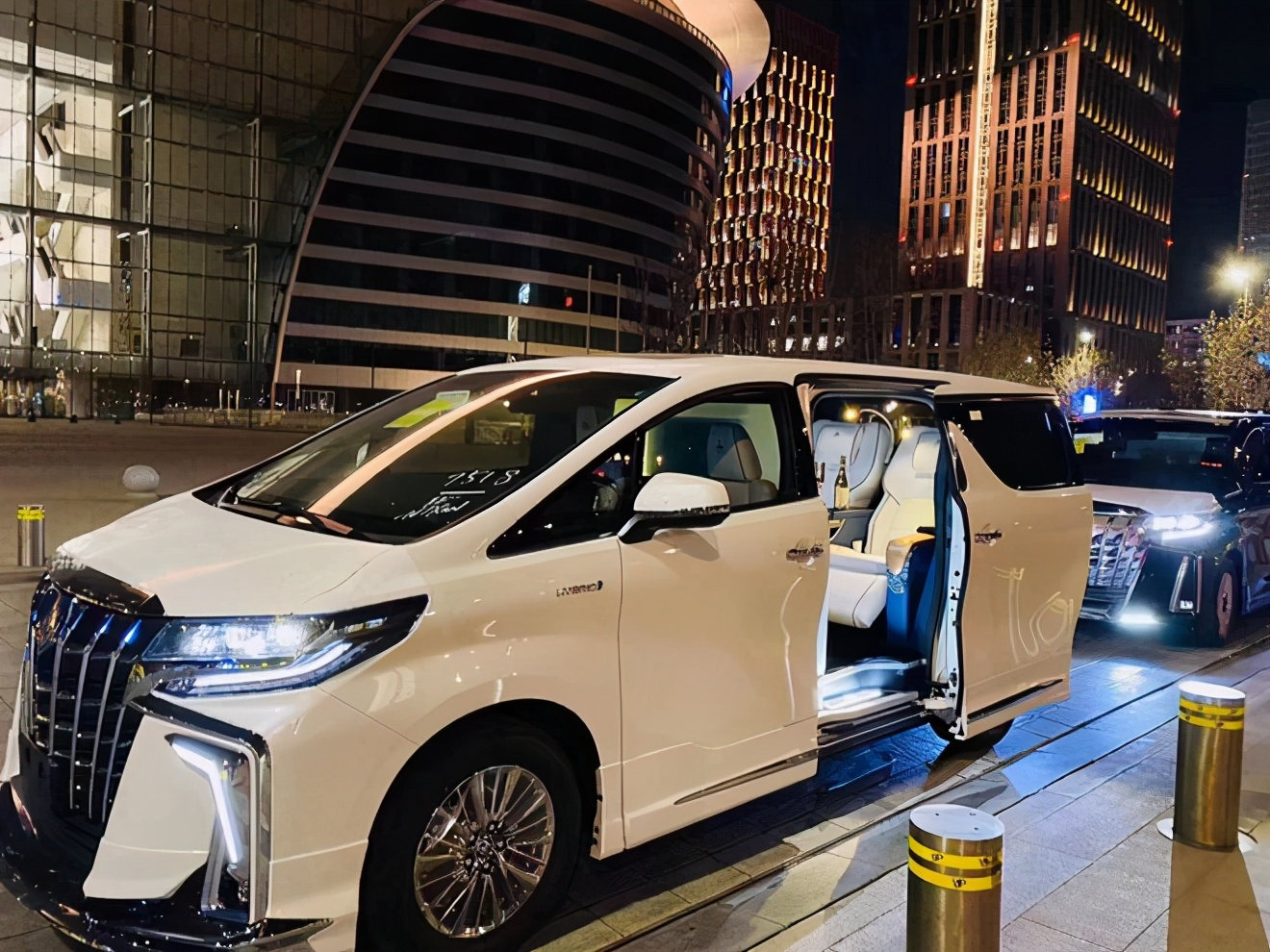
Practical Travel Tips
Finally, here are some practical tips for travelers planning to commute between Shenzhen and Hong Kong: First, be sure to reconfirm the operating hours of your destination port before departure, especially for ports that close earlier, such as Futian and Wenjindu, to avoid missing clearance times. Second, if traveling during peak holidays, use the "i Port" service to check real-time passenger flow at various ports and choose relatively less crowded ports like Liantang or Wenjindu to reduce queuing time. Finally, choose the appropriate mode of transportation based on the number of travelers and the amount of luggage. For small groups with little luggage, the metro or bus is a good choice. For large groups with a lot of luggage or those with high comfort requirements, booking a chartered car for pick-up and drop-off is a cost-effective option.